+91 8618464566
Reach out to schedule a consultation and discuss the right treatment for your condition
+91 8618464566
Heel pain is a common orthopedic condition that can significantly affect walking, standing, and overall mobility. It often develops due to inflammation, overuse, improper footwear, or underlying foot mechanics issues. Heel pain may start mildly but can become chronic if not treated early.
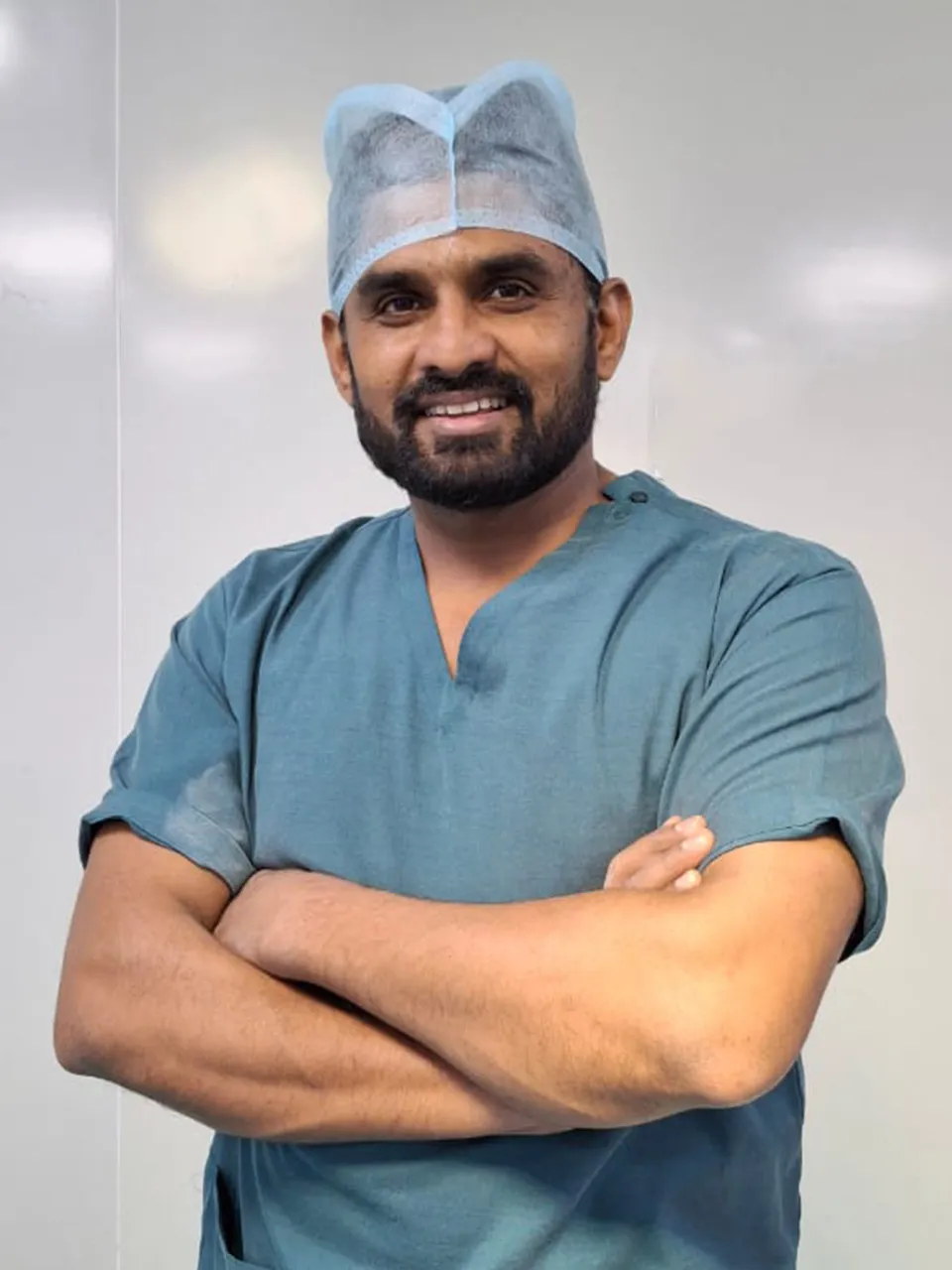
Under the expert care of Dr. Dnyaneshwar, a senior Orthopaedic Surgeon in Bangalore, heel pain is evaluated thoroughly to identify the exact cause and treated with a personalized, stepwise approach aimed at long-term relief and prevention of recurrence.
Heel pain may occur due to:
Plantar fasciitis (most common cause)
Heel spur
Achilles tendinitis
Overuse or repetitive stress injuries
Flat feet or high arches
Improper or unsupportive footwear
Sudden increase in walking, running, or standing
Obesity increasing pressure on the heel
Stress fractures of the heel bone (calcaneus)
Identifying the cause is essential for effective treatment.
Common symptoms include:
Sharp or stabbing pain in the heel
Pain during the first steps in the morning
Heel pain after prolonged standing or walking
Tenderness under or behind the heel
Stiffness in the foot, especially after rest
Pain worsening after activity rather than during it
Persistent symptoms may indicate chronic inflammation or tissue damage.
Consult Dr. Dnyaneshwar if:
Heel pain lasts more than 1–2 weeks
Pain interferes with walking or daily activities
Home remedies and rest do not help
Pain progressively worsens
There is swelling, redness, or difficulty bearing weight
Early treatment helps prevent long-term heel problems.
Diagnosis involves:
Detailed clinical examination of the foot and ankle
Assessment of walking pattern and foot posture
X-rays to detect heel spurs or fractures
Ultrasound or MRI in chronic or unclear cases
Evaluation of footwear and lifestyle factors
Accurate diagnosis ensures targeted and effective treatment.
Most heel pain conditions respond well to conservative care:
Rest and activity modification
Anti-inflammatory medications
Physiotherapy and stretching exercises
Calf and plantar fascia stretching
Orthotic shoe inserts and heel pads
Night splints to reduce morning pain
Ice therapy and footwear modification
For persistent heel pain:
Corticosteroid injections (selected cases)
PRP (Platelet-Rich Plasma) injections
Shockwave therapy
Customized orthotics
Rarely required and considered only when all conservative treatments fail.
Faster pain relief
Improved walking comfort
Prevention of chronic heel pain
Reduced dependence on pain medication
Avoidance of invasive procedures
Better quality of life
Recovery focuses on:
Consistent stretching and strengthening exercises
Wearing supportive footwear
Gradual return to activities
Weight management
Avoiding prolonged barefoot walking on hard surfaces
Long-term foot care guidance
Most patients experience significant improvement within a few weeks with proper care.
If you are suffering from persistent heel pain or difficulty walking, consult Dr. Dnyaneshwar, a trusted Orthopaedic Surgeon in Bangalore, for accurate diagnosis and comprehensive heel pain treatment.
Take every step comfortably again. Book your appointment today for expert orthopedic care and lasting relief.