+91 8618464566
Reach out to schedule a consultation and discuss the right treatment for your condition
+91 8618464566
Trigger Finger, medically known as Stenosing Tenosynovitis, is a condition in which a finger or thumb catches, locks, or snaps when bent or straightened. It occurs due to inflammation and narrowing of the tendon sheath, which restricts smooth tendon movement. Over time, the finger may become stuck in a bent position and then suddenly release with a painful snap.
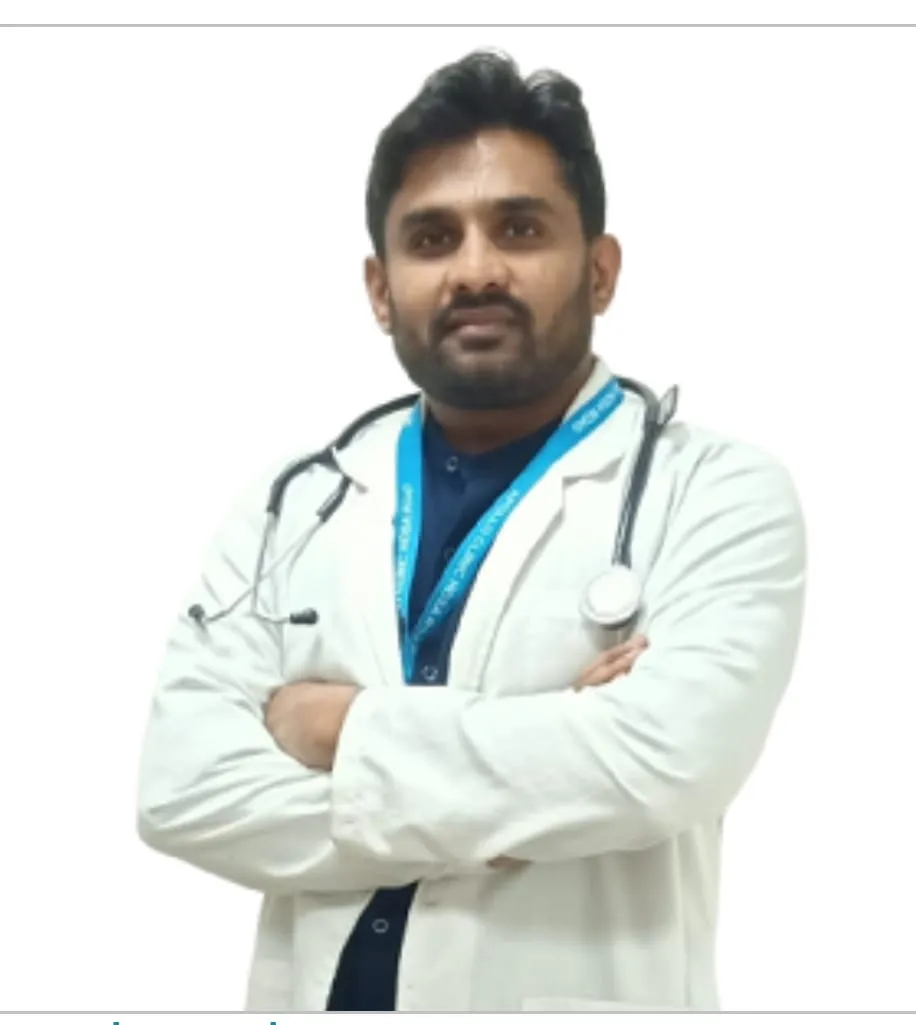
Under the expert care of Dr. Dnyaneshwar, an experienced Orthopaedic Surgeon in Bangalore, trigger finger is treated with a stepwise, patient-focused approach aimed at relieving pain, restoring smooth finger movement, and preventing recurrence.
Common symptoms include:
Clicking, popping, or locking of a finger or thumb
Pain and tenderness at the base of the affected finger
Finger stiffness, especially in the morning
Swelling or a small lump at the palm
Difficulty straightening the finger
Finger stuck in a bent position in advanced cases
Early treatment helps prevent progression and stiffness.
Trigger finger may develop due to:
Repetitive gripping or hand use
Overuse of fingers or thumb
Diabetes mellitus
Rheumatoid arthritis or inflammatory conditions
Age between 40 and 60 years
Occupations involving repetitive hand motions
Previous hand injuries
Identifying risk factors helps guide effective treatment.
Consult Dr. Dnyaneshwar if:
Finger locking or pain persists for more than a few weeks
Finger movement becomes increasingly difficult
Symptoms interfere with daily activities
Pain worsens despite rest or medication
The finger gets stuck and requires manual straightening
Early medical attention prevents permanent finger stiffness.
Diagnosis is usually clinical and includes:
Detailed hand examination
Assessment of finger movement and locking
Identification of tenderness over the tendon sheath
Ultrasound in selected cases to assess tendon thickening
X-rays if other joint problems are suspected
Accurate diagnosis ensures appropriate treatment planning.
Most patients respond well to conservative care:
Rest and activity modification
Anti-inflammatory medications
Splinting of the affected finger
Physiotherapy and stretching exercises
Corticosteroid injections to reduce inflammation
These treatments are especially effective in early stages.
Recommended for persistent or severe cases:
Trigger finger release surgery
Small incision to release the tightened tendon sheath
Minimally invasive procedure with quick recovery
Immediate improvement in finger movement
Surgery offers high success rates when conservative treatment fails.
Relief from pain and locking
Restoration of smooth finger movement
Prevention of permanent stiffness
Improved hand function
Faster return to daily activities
Avoidance of complex surgical procedures
Recovery is usually quick:
Finger movement encouraged soon after treatment
Minimal downtime for daily activities
Physiotherapy exercises if required
Wound care and follow-up after surgery
Gradual return to normal hand use
Most patients regain full finger function with proper care.
If you are experiencing finger locking, pain, or stiffness, consult Dr. Dnyaneshwar, a trusted Orthopaedic Surgeon in Bangalore, for expert diagnosis and personalized treatment for trigger finger.
Restore painless finger movement and hand function. Book your appointment today for specialized orthopedic care.