+91 8618464566
Reach out to schedule a consultation and discuss the right treatment for your condition
+91 8618464566
Spinal Decompression and Fixation is an advanced surgical procedure performed to relieve pressure on the spinal cord or nerves and stabilize the spine. Conditions such as disc herniation, spinal instability, fractures, or degenerative spine disorders can compress nerves, causing severe pain, weakness, or neurological symptoms.
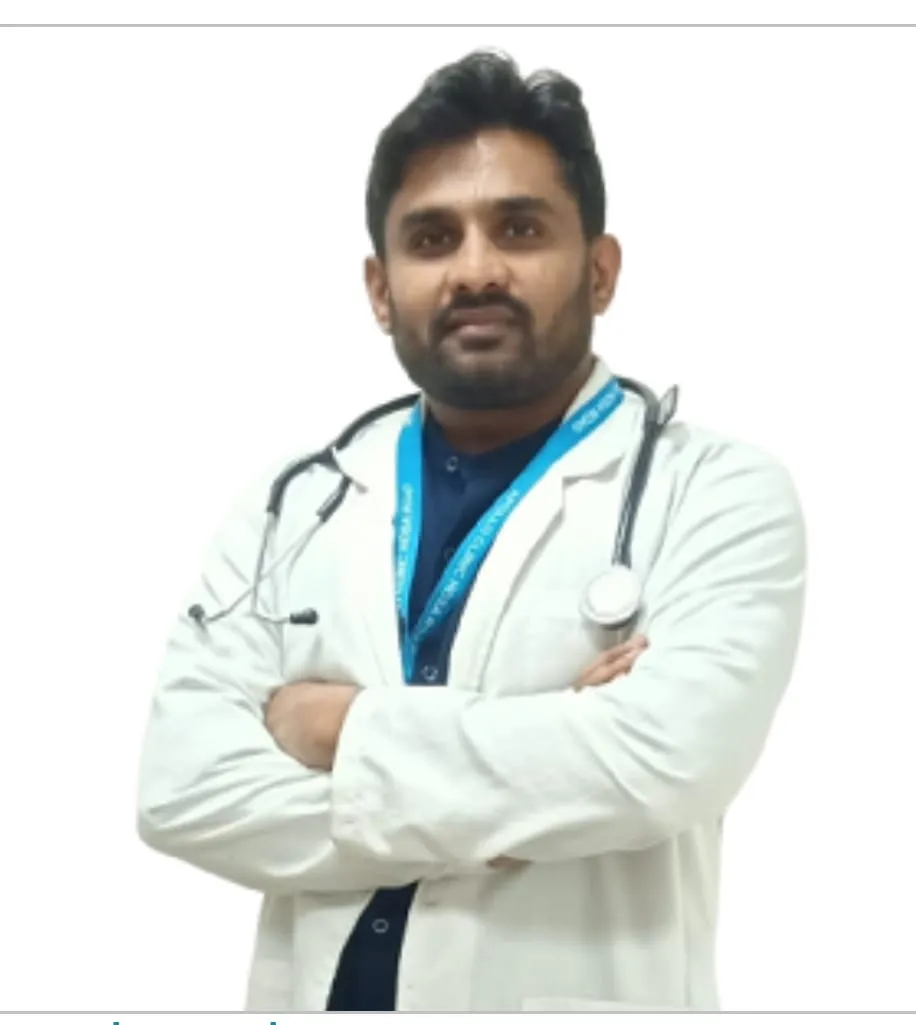
With extensive expertise in spine surgery, Dr. Dnyaneshwar, a senior Orthopaedic Spine Surgeon in Bangalore, offers precise decompression and fixation techniques that aim to relieve pain, restore stability, and improve quality of life.
This procedure may be recommended for:
Herniated or slipped discs causing nerve compression
Spinal stenosis (narrowing of the spinal canal)
Spondylolisthesis (vertebral slippage)
Spinal fractures or traumatic injuries
Degenerative disc disease
Spinal instability due to arthritis or infection
Failed previous spine surgery with persistent symptoms
Patients may experience:
Chronic back or neck pain
Pain radiating to arms or legs
Numbness, tingling, or weakness
Difficulty walking or maintaining balance
Loss of bladder or bowel control (emergency)
Reduced ability to perform daily activities
Persistent or worsening symptoms require prompt evaluation.
Common causes include:
Age-related spinal degeneration
Repetitive strain or heavy physical work
Poor posture and sedentary lifestyle
Trauma or accidents
Osteoporosis
Congenital spinal conditions
Consult Dr. Dnyaneshwar if:
Back or neck pain persists despite conservative treatment
Neurological symptoms such as weakness or numbness develop
Pain severely affects mobility or sleep
Imaging shows nerve compression or spinal instability
Early intervention prevents permanent nerve damage.
Diagnosis involves:
Detailed neurological and spinal examination
X-rays to assess alignment and stability
MRI to identify nerve compression and disc pathology
CT scan for bone-related issues
Pre-surgical planning for precise correction
Attempted initially in many cases:
Medications and pain management
Physiotherapy and posture correction
Activity modification
Spinal injections in selected cases
Recommended when conservative care fails:
Decompression procedures to relieve nerve pressure
Removal of disc material, bone spurs, or thickened ligaments
Fixation using rods, screws, or cages to stabilize the spine
Minimally invasive techniques when appropriate
Improved spinal alignment and stability
Significant pain relief
Improved nerve function
Enhanced mobility and balance
Prevention of further spinal damage
Better posture and stability
Improved quality of life
Recovery is gradual and structured:
Hospital stay of a few days depending on procedure
Early mobilization under supervision
Physiotherapy to strengthen back and core muscles
Gradual return to daily activities
Long-term lifestyle and posture guidance
Regular follow-up for spine health monitoring
Adhering to rehabilitation is crucial for lasting results.
If you are experiencing chronic back pain, nerve-related symptoms, or spinal instability, consult Dr. Dnyaneshwar, a trusted Spine Surgeon in Bangalore, for expert evaluation and advanced spinal decompression and fixation.
Relieve pain, restore stability, and regain confidence in movement. Book your appointment today for specialized spine care.