+91 8618464566
Reach out to schedule a consultation and discuss the right treatment for your condition
+91 8618464566
Pediatric fracture management focuses on the diagnosis, treatment, and healing of bone fractures in infants, children, and adolescents. Children’s bones are different from adult bones—they are softer, more flexible, and have active growth plates, which influence both injury patterns and treatment strategies.
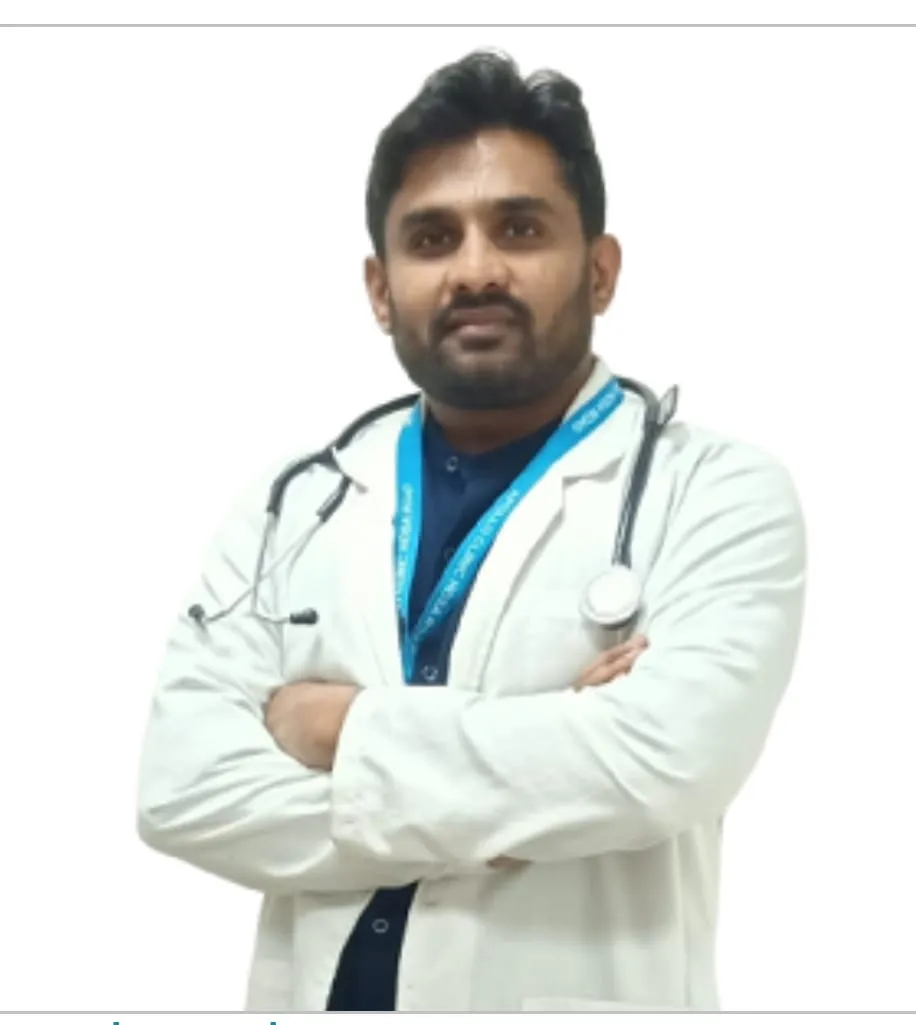
Under the expert care of Dr. Dnyaneshwar, an experienced Orthopaedic Surgeon in Bangalore, pediatric fractures are managed with a gentle, precise, and growth-preserving approach to ensure proper healing and normal bone development.
Children may sustain fractures involving:
Forearm bones (radius and ulna)
Elbow and supracondylar fractures
Wrist and hand fractures
Clavicle (collarbone) fractures
Leg fractures (tibia and femur)
Growth plate (physeal) injuries
Fractures due to falls, sports, or accidents
Most pediatric fractures heal well when treated appropriately and on time.
Common causes of fractures in children include:
Falls during play or sports
Playground injuries
Road traffic accidents
Contact sports or physical activities
Weak bones due to nutritional deficiencies
High-energy trauma in adolescents
Children are naturally active, making accidental injuries common.
Consult Dr. Dnyaneshwar immediately if:
The child has pain, swelling, or deformity after injury
The child refuses to use or move a limb
There is visible bending or abnormal alignment
Pain persists despite rest and first aid
Injury involves the elbow, growth plate, or joint
Early orthopedic evaluation is crucial to avoid growth-related complications.
Diagnosis involves:
Gentle clinical examination suitable for children
X-rays to identify fracture type and alignment
Comparison views when needed for growth plate injuries
CT scan or MRI in complex or joint-related fractures
Ongoing monitoring to ensure proper healing
Accurate diagnosis helps choose the safest and most effective treatment.
Most pediatric fractures are treated conservatively:
Plaster cast or splint immobilization
Closed reduction to realign the bone without surgery
Regular follow-up X-rays to monitor healing
Activity restriction during recovery
Children’s bones heal faster, often avoiding the need for surgery.
Required for specific situations:
Displaced or unstable fractures
Open fractures
Fractures involving joints or growth plates
Multiple fractures or severe trauma
Failure of conservative treatment
Surgical options may include:
Minimally invasive pinning
Elastic nails or plates when required
Growth-friendly fixation techniques
Ensures correct bone alignment
Preserves normal bone growth
Prevents deformity and limb length issues
Reduces pain and discomfort
Allows faster return to normal activities
Avoids long-term complications
Timely treatment leads to excellent long-term outcomes.
Recovery in children is usually rapid:
Cast removal after adequate healing
Gentle physiotherapy if needed
Gradual return to school and sports activities
Monitoring growth and bone alignment
Nutritional guidance for bone health
Most children regain full function with proper care and follow-up.
If your child has suffered a fracture or bone injury, consult Dr. Dnyaneshwar, a compassionate and experienced Orthopaedic Surgeon in Bangalore, for expert pediatric fracture management.
Ensure safe healing, healthy growth, and confident recovery for your child. Book an appointment today for specialized orthopedic care.